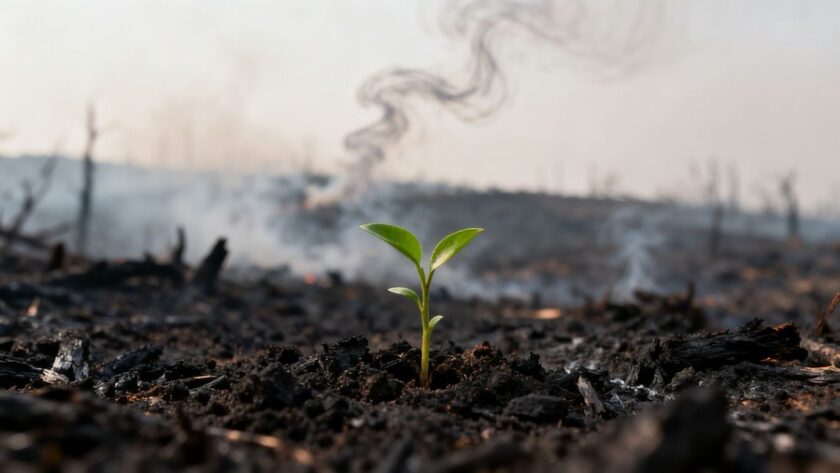
When a wildfire causes significant damage, victims often look to the legal system for help in recovering their losses. This process, while complex, generally follows a predictable path. It begins with an initial consultation where an attorney evaluates the specifics of your situation to see if a case can be built. This involves looking at who might be responsible for the fire and the extent of the harm caused.
Initial Consultation and Case Evaluation
This is the very first step. You’ll meet with a lawyer who specializes in these kinds of cases. They’ll listen to what happened to you, look at any initial evidence you have, and determine if you have a valid claim. They need to figure out if someone else’s actions or negligence directly led to the wildfire that affected you. This evaluation helps set the stage for everything that follows.
Filing The Claim and Discovery Phase
If the lawyer believes your case has merit, they will file a lawsuit. This is the official start of the legal proceedings. After the lawsuit is filed, the discovery phase begins. This is where both sides gather information. Attorneys will request documents, take depositions (sworn testimony outside of court), and collect evidence to support their arguments. This can involve a lot of back-and-forth and can take a considerable amount of time, especially in large cases with many victims.
Negotiation, Mediation, and Trial
Most wildfire lawsuits don’t end up going all the way to a full trial. Before that happens, there’s usually an attempt to reach a settlement. This can happen through direct negotiations between the parties or with the help of a neutral third party, known as a mediator. Mediation is a structured discussion aimed at finding common ground. If an agreement can’t be reached through these methods, the case might proceed to a trial, where a judge or jury will make a final decision.
Settlement Approval and Distribution
Once a settlement agreement is reached, it often needs to be approved by the court, especially if it’s a class action lawsuit involving many people. This ensures the terms are fair to all involved. After court approval, the settlement funds are distributed to the victims according to the agreed-upon terms. The amount each person receives typically depends on the specific damages they suffered and the overall amount of the settlement.
Timeline For Resolving Wildfire Lawsuit Settlements
From Initial Filing to Discovery
The journey from the initial filing of a wildfire lawsuit to the commencement of the discovery phase can be a lengthy one. Attorneys must first conduct thorough investigations to identify all potentially liable parties and gather sufficient preliminary evidence to support the claim. This often involves reviewing incident reports, witness statements, and initial damage assessments. Once these foundational steps are completed, the formal lawsuit is filed, marking the beginning of the legal process. This initial period can stretch for several months, sometimes even up to a year, depending on the complexity of the incident and the number of affected individuals.
The Discovery Phase Duration
The discovery phase is where both sides of a lawsuit exchange information and gather evidence. This is typically the most time-consuming part of the entire legal process. Attorneys will request documents, take depositions (sworn testimonies outside of court), and potentially hire expert witnesses to analyze evidence like fire origin and causation. For large-scale wildfire cases, especially those involving significant property damage and numerous plaintiffs, this phase can easily extend for one to two years. The thoroughness of evidence collection during discovery significantly impacts the strength of a case moving forward.
Settlement Negotiations and Potential Trial
Following the discovery phase, parties often enter into settlement negotiations. This stage can vary greatly in duration. Some cases resolve relatively quickly through direct negotiation between attorneys, while others may require mediation, where a neutral third party helps facilitate an agreement. If a settlement cannot be reached, the case may proceed to trial. A trial adds considerable time, potentially another year or two, and can be followed by appeals, further extending the resolution timeline. The willingness of the defendant to settle and the strength of the evidence presented are key factors in how long this stage takes. Resolving a wildfire lawsuit in California can take anywhere from several months to a few years.
Overall Resolution Timeframes
Considering all these stages, the overall timeframe for resolving a wildfire lawsuit settlement can range from two to five years, or even longer in exceptionally complex or contentious cases. Factors such as the number of plaintiffs involved, the clarity of liability, and the defendant’s financial resources all play a role. Patience is often required, as these legal battles are designed to thoroughly address the damages and ensure fair compensation for victims.
Factors Influencing Wildfire Lawsuit Settlement Amounts
When a wildfire causes widespread damage, the amount of money a victim might receive in a lawsuit settlement isn’t a fixed number. Several things play a big role in how much compensation is ultimately awarded. It’s not just about the fire itself, but also about the ripple effects it has on people’s lives and property.
Extent of Property Damage and Personal Injury
The most obvious factor is the actual damage done. If your home was completely destroyed, that’s a much larger claim than if it suffered minor smoke damage. This includes not just the main structure but also outbuildings, fences, and landscaping. Beyond physical property, any injuries sustained by individuals are a major consideration. Medical bills, ongoing treatment needs, and the impact of those injuries on a person’s ability to work and live their life all contribute to the settlement amount. The more severe the damage and injury, the higher the potential settlement.
Economic Impact and Evacuation Costs
Wildfires often force people to leave their homes, sometimes for extended periods. The costs associated with this displacement can add up quickly. This includes things like:
- Temporary housing expenses (hotels, rental properties)
- Increased food costs and daily living expenses while away from home
- Costs for boarding pets or storing belongings
For businesses, the economic impact can be even more significant. Lost income due to closure, damaged equipment, and loss of inventory are all legitimate claims that can influence the settlement. It’s about recovering not just what was destroyed, but also the financial fallout from the event.
Potential for Punitive Damages
In some cases, the actions leading to the wildfire might be seen as more than just simple negligence. If it can be shown that the party responsible acted with extreme recklessness or a disregard for public safety, courts may award punitive damages. These aren’t meant to compensate the victim for their losses, but rather to punish the defendant and deter others from similar behavior. When awarded, punitive damages can significantly increase the total settlement amount.
Number of Plaintiffs and Defendant’s Resources
If a wildfire lawsuit involves many people (like in a class-action case), the total settlement amount is divided among all the claimants. This means that while the overall settlement might be large, individual payouts could be smaller depending on how many people are involved and the severity of each person’s losses. Additionally, the financial standing of the defendant matters. A large utility company with substantial insurance coverage and financial reserves might be able to pay out more than a smaller entity or individual with limited resources. The defendant’s ability to pay is a practical consideration in settlement negotiations.
Maximizing Your Compensation In A Wildfire Lawsuit Settlement
When pursuing compensation after a wildfire, taking certain steps can significantly improve the outcome of your case. It’s not just about filing a claim; it’s about building the strongest possible case to get what you deserve. Being proactive and organized is key to maximizing your recovery.
Comprehensive Documentation of Losses
Thoroughly documenting every loss is perhaps the most critical step. This means more than just noting that your house burned down. It involves creating a detailed record of everything affected:
- Property Damage: Collect photos and videos of the damage before any cleanup begins. Gather receipts, invoices, and credit card statements for all damaged personal property, including furniture, electronics, clothing, and keepsakes. If repairs are needed, obtain detailed estimates from reputable contractors.
- Additional Living Expenses: Keep all receipts for temporary housing, meals, fuel, and any other costs incurred because you were displaced from your home. This can include hotel stays, rental properties, and even increased grocery bills if you had to eat out more often.
- Economic Losses: For business owners, this includes lost income, damaged inventory, and costs associated with business interruption. For individuals, it means documenting any lost wages due to inability to work or wrongful termination following the event.
Prompt Action and Statute of Limitations
Time is often of the essence in legal matters. Most jurisdictions have a statute of limitations, which is a deadline for filing a lawsuit. Missing this deadline means losing your right to seek compensation, no matter how strong your case might be. It is advisable not to accept immediate compensation from a utility company without first exploring your legal options before agreeing to any settlement.
- Consult an Attorney Immediately: As soon as possible after the wildfire, connect with an attorney experienced in wildfire litigation. They can advise you on the specific deadlines applicable to your situation.
- Preserve Evidence: Act quickly to gather and preserve evidence. This includes not only documentation of losses but also any communications with insurance companies or utility providers.
Selecting Experienced Legal Counsel
Choosing the right legal team can make a substantial difference in the amount of compensation you receive. Wildfire lawsuits are complex and often involve large corporations or government entities with significant legal resources. An attorney specializing in these types of cases will understand the intricacies of wildfire litigation, including how to properly value damages and negotiate effectively.
- Look for Specialization: Seek out law firms that have a proven track record in handling wildfire claims and class actions.
- Understand Their Approach: Discuss their strategy for your case, their experience with similar claims, and how they plan to hold responsible parties accountable.
Considering Class Action Participation
In many large-scale wildfire events, numerous individuals suffer similar damages. In such cases, a class action lawsuit might be the most efficient way to seek compensation. Participating in a class action can streamline the legal process and potentially lead to a more substantial collective settlement, though individual payouts may vary based on the extent of each person’s losses.
Potential Defendants In Wildfire Lawsuit Settlements
When a wildfire causes widespread damage, figuring out who is responsible is a big part of the legal process. It’s not always straightforward, but generally, lawsuits aim to hold parties accountable for their role in the disaster. This often involves looking at whether someone’s actions or failures contributed to the fire starting or spreading.
Utility Company Liability
Utility companies are frequently named as defendants in wildfire lawsuits. This is because their equipment, like power lines and electrical infrastructure, can sometimes spark fires, especially during dry or windy conditions. If it can be shown that a utility company was negligent in maintaining its equipment, failed to de-energize lines during high-risk periods, or didn’t follow safety protocols, they could be held liable for the resulting damages. Proving this negligence often requires a detailed investigation into the company’s maintenance records and operational procedures. For instance, if faulty equipment or improper vegetation management around power lines is identified as a cause, the utility company may face significant financial responsibility.
Government Entity Accountability
In some situations, government agencies might also be considered potential defendants. This could involve local, state, or federal entities responsible for land management, fire suppression, or emergency response. For example, if a government agency failed to adequately manage forest fuels, leading to an uncontrollable fire, or if there were delays or failures in their firefighting efforts that worsened the situation, they could be subject to legal action. Accountability here often hinges on whether the agency met its legal duties and acted reasonably in its responsibilities.
Negligent Individuals and Businesses
Beyond large corporations and government bodies, individual actions or business practices can also lead to wildfire liability. This might include instances where someone’s carelessness, such as improperly discarding smoking materials, unattended campfires, or unsafe industrial activities, ignites a fire. Businesses operating in or near wildland areas might also be held accountable if their operations create a fire hazard that they fail to mitigate. The key factor is usually demonstrating that a specific party’s negligence directly contributed to the wildfire’s ignition or spread, causing harm to others.
Types Of Compensation In Wildfire Lawsuit Settlements
When a wildfire causes damage, victims often look to legal settlements to help them recover. These settlements can cover a wide range of losses, aiming to put individuals and families back on their feet. It’s important to understand what kinds of compensation might be available.
Property and Personal Property Damage
This is often the most significant category of compensation. It includes the cost to repair or completely rebuild homes that were destroyed or damaged by the fire. Beyond the structure of the home itself, this also covers the loss of personal belongings. Think about everything inside your house – furniture, electronics, clothing, keepsakes, and anything else that was damaged or turned to ash. The goal here is to account for the value of what was lost, allowing for replacement or repair.
Physical Injuries and Emotional Distress
Wildfires don’t just destroy property; they can cause serious physical harm. Compensation can be sought for injuries sustained during the fire, such as burns, smoke inhalation, or injuries from falling debris. Beyond the physical, the emotional toll can be immense. This includes compensation for psychological trauma, anxiety, and post-traumatic stress disorder (PTSD) that can result from experiencing such a devastating event. The law recognizes that the mental and emotional suffering is a real loss.
Additional Living Expenses and Lost Income
If you had to leave your home because of the wildfire, you likely incurred extra costs. This category covers those expenses, such as hotel stays, temporary rental housing, increased food costs, and other necessities while you were displaced. Furthermore, if the wildfire prevented you from working, leading to a loss of income, settlements can include compensation for that lost earning potential. This helps cover the financial gap created when your ability to earn a living is interrupted.
Wrongful Death Claims
In the most tragic circumstances, wildfires can lead to fatalities. When a loved one is lost due to negligence that caused a wildfire, their surviving family members may be able to file a wrongful death claim. Compensation in these cases can cover funeral and burial expenses, the loss of financial support the deceased provided, and the emotional suffering experienced by the family due to the loss of their loved one. These claims are intended to provide some measure of support and accountability in the face of profound loss.
Legal & Recovery Links
- National Fire Service
- Firehelpcenter.com
- Matthews and Associates
- Readyforwildfire.org
- Nifc.gov
- Ready for the Future
- Foley and Bezek Law